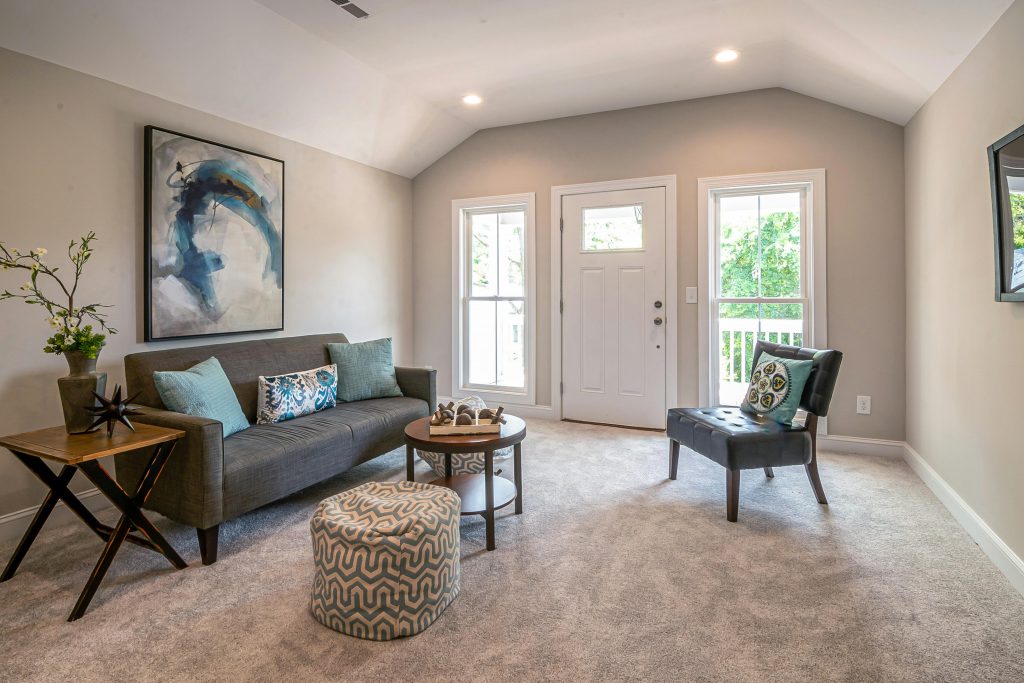

Decorating a small living room can feel challenging. Limited space often makes people hesitant to experiment with furniture, color, and décor. However, with smart planning and creative ideas, a small living room can be transformed into a stylish, cozy, and functional space.
In this guide, we’ll cover design strategies, furniture selection, color schemes, storage solutions, and layout tips to help you make the most of your small living room while keeping it comfortable and inviting.
1. Plan Your Layout Before You Start
Before buying furniture or adding décor, take the time to plan your layout. A well-thought-out layout ensures your small living room feels open and functional.
Tips for planning layout:
- Measure your space: Know the exact dimensions to avoid overcrowding.
- Define functional zones: Identify areas for seating, entertainment, and storage.
- Consider traffic flow: Leave clear paths to prevent the room from feeling cramped.
- Use virtual tools: Online room planners can help visualize furniture placement.
Planning first prevents mistakes and ensures each piece of furniture has a purpose.
2. Choose the Right Furniture
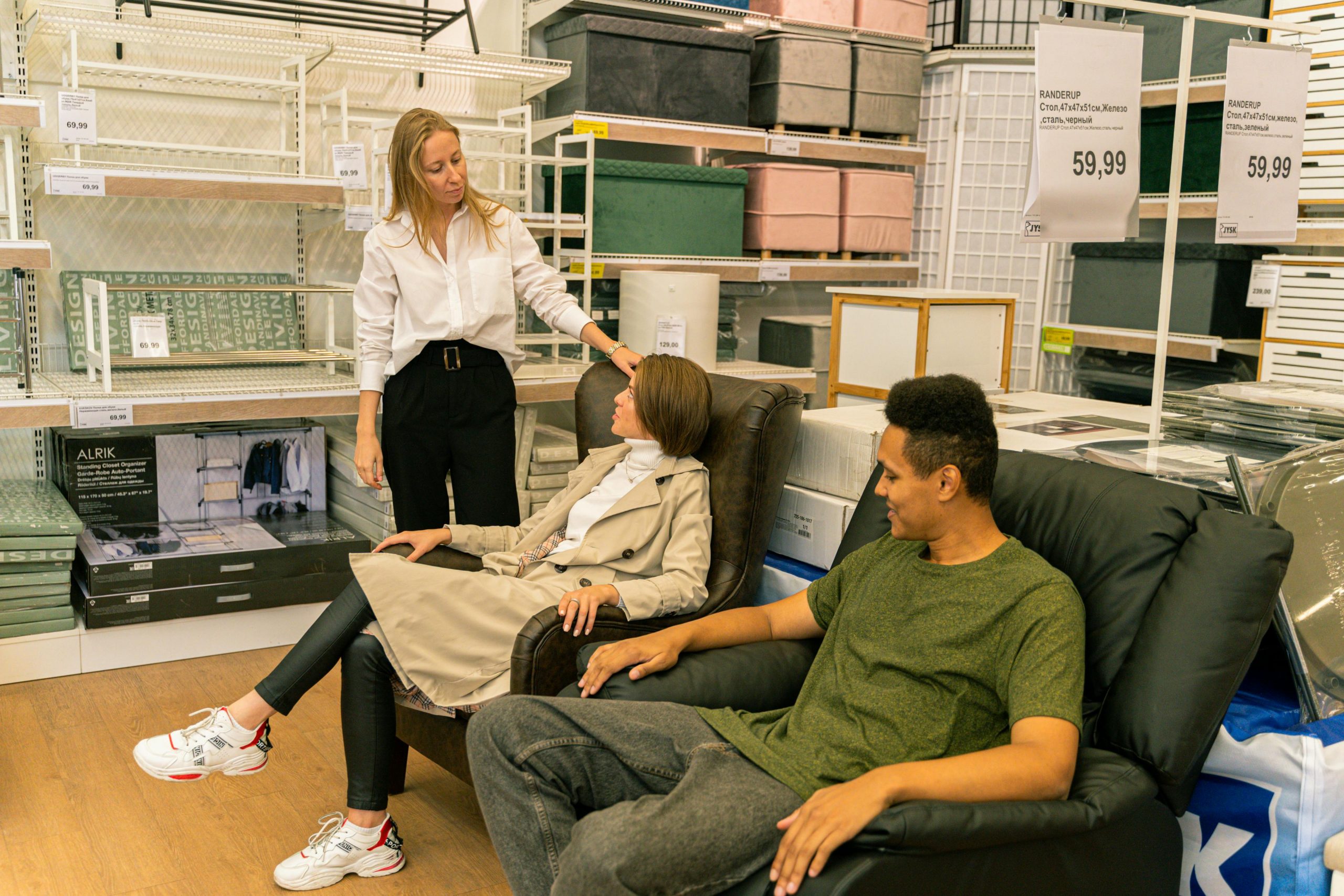
Selecting the right furniture is key for small spaces. Prioritize pieces that are both functional and appropriately sized.
Smart furniture choices include:
- Multi-functional furniture: Sofas with storage, ottomans that double as tables, or sofa beds.
- Scale down: Avoid oversized couches or bulky armchairs that overwhelm the room.
- Floating furniture: Position furniture slightly away from walls to create depth and make the room feel bigger.
- Transparent or open pieces: Glass tables or open shelving reduce visual clutter.
By choosing furniture that fits the scale of your room, you can maximize comfort without sacrificing style.
3. Use Color Strategically
Color plays a huge role in making a small living room feel larger or cozier.
Color tips for small spaces:
- Light and neutral tones: Whites, beiges, pastels, or light grays open up the space.
- Accent colors: Introduce color with pillows, rugs, or artwork to add personality.
- Monochromatic schemes: Using different shades of one color can make the room feel cohesive and expansive.
- Contrast carefully: Dark colors on walls or furniture can make a room feel smaller if overused.
Strategic use of color can make a small living room appear airy, stylish, and inviting.
4. Optimize Lighting
Good lighting can dramatically impact how a small living room feels. Natural light is ideal, but artificial lighting can also make a difference.
Lighting strategies include:
- Maximize natural light: Avoid heavy drapes and use sheer curtains.
- Layer lighting: Combine ceiling lights, floor lamps, and table lamps.
- Wall-mounted fixtures: Save floor space with sconces or wall lamps.
- Mirrors: Reflect light to make the room feel brighter and larger.
A bright, well-lit living room instantly feels more open and welcoming.
5. Add Functional Storage
Clutter can quickly make a small living room feel cramped. Smart storage solutions keep the room tidy and functional.
Storage ideas:
- Built-in shelving: Use vertical space for books, décor, and storage baskets.
- Storage ottomans: Hide blankets, magazines, or toys inside.
- Floating shelves: Provide storage without taking up floor space.
- Furniture with drawers: Choose coffee tables or side tables with storage compartments.
By integrating storage seamlessly into your décor, you maintain a clean, organized look.
6. Incorporate Mirrors and Reflective Surfaces
Mirrors are one of the easiest ways to make a small living room feel bigger.
Mirror tips:
- Place mirrors across from windows: Reflect natural light to brighten the space.
- Large statement mirrors: Create a focal point while adding depth.
- Reflective décor: Metallic or glass accessories can also give the illusion of space.
Reflective surfaces trick the eye into perceiving a larger room while maintaining a stylish aesthetic.
7. Use Rugs to Define Zones
Rugs can create visual boundaries in a small living room and add warmth.
Rug placement tips:
- Anchor furniture: Ensure front legs of sofas or chairs rest on the rug.
- Use light colors: Lighter rugs make the floor space feel bigger.
- Layering rugs: Smaller accent rugs can add texture without overwhelming the room.
Rugs add both comfort and definition, making the room feel intentional and cozy.
8. Decorate with Minimalism in Mind
In small living rooms, less is often more. Avoid overcrowding with décor.
Minimalist décor tips:
- Select statement pieces: One or two art pieces or a bold cushion can stand out.
- Declutter regularly: Keep surfaces free from unnecessary items.
- Use vertical décor: Wall shelves or tall plants draw the eye upward and save floor space.
- Neutral base: Add pops of color sparingly to avoid visual chaos.
Minimalism creates a calm, organized, and elegant small living room.
9. Add Plants and Greenery
Plants bring life, texture, and color to small living rooms while improving air quality.
Tips for adding plants:
- Choose compact plants: Succulents, small ferns, or potted herbs.
- Hang plants: Save floor space with wall-mounted planters.
- Use vertical planters: Stackable shelves or plant stands utilize height.
- Integrate into décor: Plants complement furniture and accent pieces.
Greenery softens the space, making it feel fresh and inviting.
10. Personalize Your Small Living Room
Even in a small space, personalization adds warmth and comfort.
Ways to personalize:
- Photos and artwork: Showcase memories without overwhelming walls.
- Unique accessories: Decorative vases, candles, or throw blankets.
- Functional décor: Books, baskets, and trays combine style with usability.
Personal touches create a living room that feels like home, no matter the size.
11. Maximize Wall Space
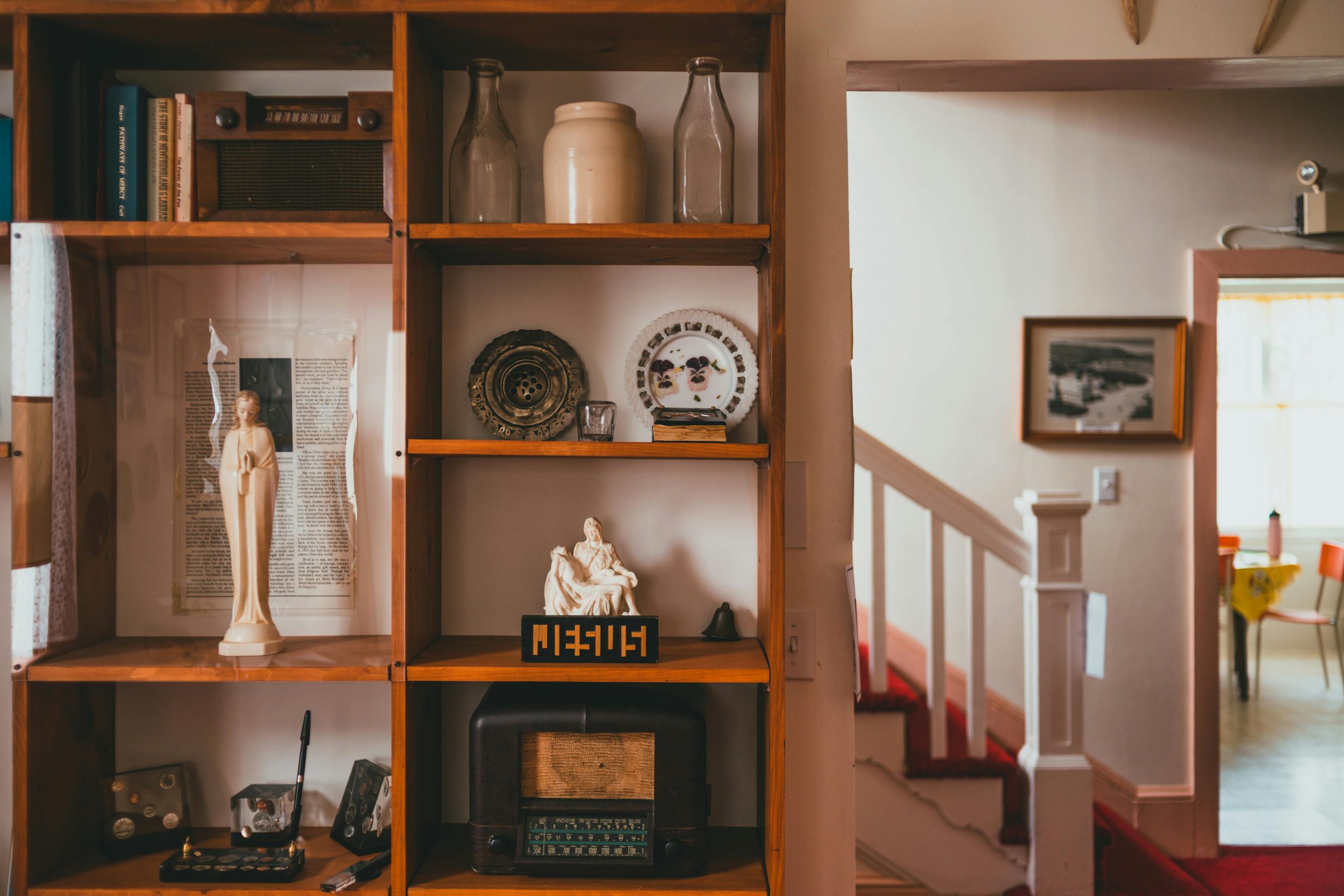
In small living rooms, walls are your friends. Use them to enhance functionality and style.
Ideas for wall use:
- Floating shelves: Store books, décor, or small plants.
- Wall-mounted TV: Save floor space while maintaining viewing comfort.
- Hooks and racks: Hang bags, coats, or small accessories neatly.
- Gallery walls: Display art vertically to draw the eye upward.
Smart wall usage reduces clutter while increasing storage and aesthetic appeal.
12. Layer Textures for Depth
Small spaces can feel flat without texture. Layering textiles and materials adds interest and comfort.
Texture tips:
- Mix fabrics: Velvet pillows, cotton throws, and linen curtains add variety.
- Rugs and carpets: Different textures underfoot create visual depth.
- Furniture materials: Combine wood, metal, or glass for contrast.
Textural variety makes the room feel inviting and thoughtfully designed.
13. Avoid Common Small Living Room Mistakes
Decorating a small living room can be tricky, and certain mistakes can make the space feel cramped, cluttered, or dark. By recognizing and avoiding these common pitfalls, you can maximize your room’s potential and create a stylish, functional space.
Mistakes to avoid:
- Overcrowding with Furniture: Placing too many large pieces can block pathways and make the room feel cramped. Instead, choose a few well-sized, functional pieces, and consider multi-purpose furniture like a storage ottoman or a sofa bed to save space.
- Using Dark, Heavy Colors Exclusively: While dark colors can be cozy, overusing them in a small room can make it feel smaller. Balance darker hues with lighter tones, mirrors, or reflective surfaces to keep the space open and airy.
- Neglecting Lighting and Windows: Poor lighting can make a small room feel gloomy. Avoid covering windows with heavy drapes that block natural light, and incorporate a mix of ceiling lights, floor lamps, and table lamps to brighten every corner.
- Ignoring Vertical Space: Walls are often underutilized in small rooms. Skipping vertical storage or décor limits your options for organization and style. Use floating shelves, tall bookcases, or wall-mounted cabinets to draw the eye upward and free floor space.
- Filling Every Surface with Knick-Knacks: Small rooms can easily feel cluttered. Avoid placing too many decorative items on tables or shelves. Focus on a few statement pieces or rotate décor seasonally to keep the space visually appealing.
By steering clear of these mistakes, you create a small living room that feels spacious, organized, and inviting. Careful planning, strategic furniture choices, and mindful decoration make all the difference in maximizing both style and functionality.
14. Budget-Friendly Ideas
Transforming a small living room doesn’t have to require a large budget. With a little creativity and planning, you can make your space look stylish, cozy, and modern without spending a fortune. Here are some practical ideas to get started:
- DIY Décor: Handmade decorations add personality while saving money. You can create your own wall art using canvas, paint, or fabric, sew decorative pillows, or make trays and storage boxes from repurposed materials. Even small DIY touches like painted vases or framed prints can elevate the look of your living room.
- Repurpose Furniture: Instead of buying new furniture, consider updating what you already have. Paint a wooden coffee table a bright color, reupholster an old chair, or add stylish knobs to cabinets. Repurposing gives your room a fresh, customized feel while keeping costs low.
- Thrift Stores and Flea Markets: Secondhand shops are excellent sources for unique décor at a fraction of the price. Look for rugs, lamps, small tables, or artwork that can complement your small living room. Often, minor cleaning or repainting is all it takes to make these finds look brand-new.
- Small Upgrades: Sometimes tiny changes have the biggest impact. Swap out old lighting fixtures for more modern options, add mirrors to reflect light and create a sense of space, or replace curtains with sheer ones to brighten the room. Even switching small accessories like throws or cushions can instantly refresh the space.
By focusing on budget-friendly solutions, you can create a beautiful and functional small living room. Thoughtful, low-cost updates combined with a little creativity can make a significant difference without breaking the bank.
Conclusion
Decorating a small living room requires thoughtful planning, smart furniture choices, and clever use of color, lighting, and storage. By prioritizing function, using vertical space, adding personal touches, and avoiding clutter, even the tiniest living room can feel stylish, open, and cozy. With these tips, small living spaces can become inviting, functional, and beautiful for everyday life and entertaining guests.